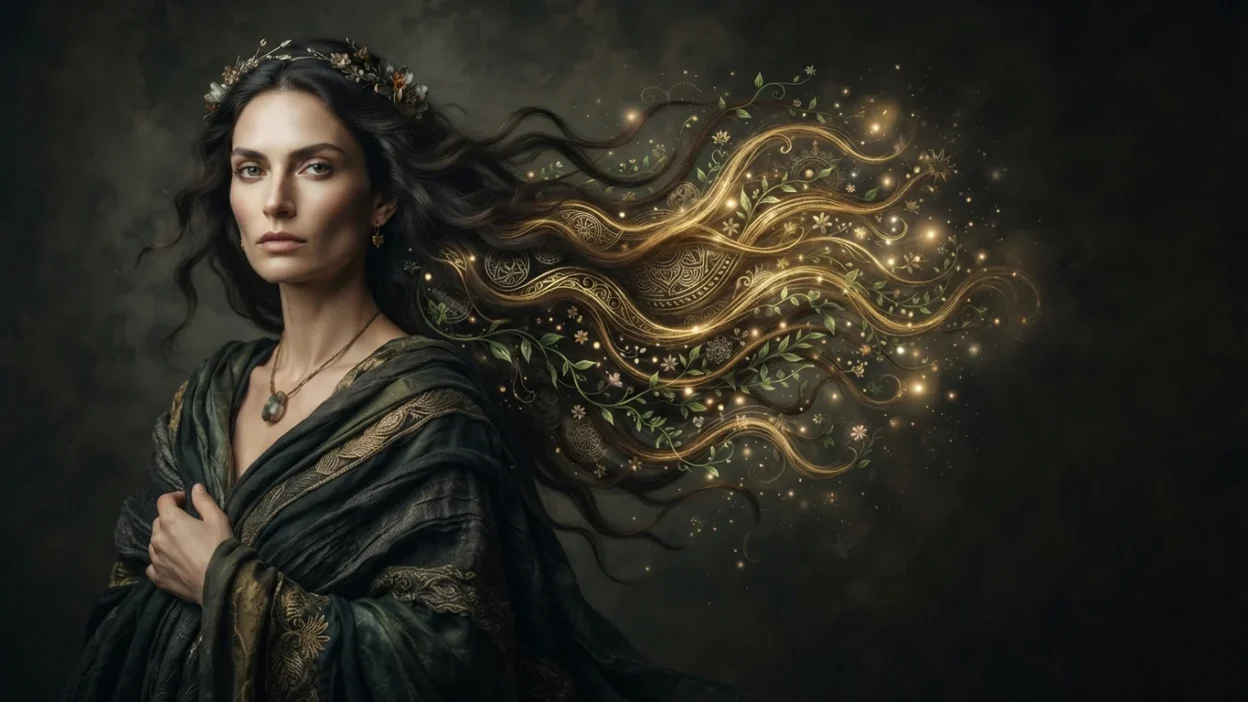
Hair has always carried meanings far beyond appearance.
Across cultures and centuries, hair symbolism has been connected with identity, strength, beauty, freedom, spirituality, status, and personal transformation.
Because hair grows, can be cut, styled, covered, or displayed, it often becomes a visible expression of inner life and social identity.
From ancient religious traditions to modern self-expression, hair can represent who a person is, what they believe, and how they want others to see them. Its symbolism can also change depending on culture, color, length, hairstyle, and context.
Hair is especially symbolic because it is part of the body while also being something people can intentionally change. Growing it long may represent patience or freedom, while cutting it may symbolize a new beginning, loss, sacrifice, or release.
Common meanings associated with hair include:
| Hair Symbolism | Common Meaning |
|---|---|
| Long hair | Freedom, strength, patience, individuality |
| Short hair | Change, independence, renewal |
| Cutting hair | Transformation, sacrifice, release |
| Shaved hair | Rebirth, discipline, mourning, surrender |
| Gray hair | Wisdom, maturity, experience |
| Thick hair | Vitality, strength, abundance |
| Covered hair | Modesty, devotion, privacy, tradition |
| Styled hair | Identity, beauty, status, self-expression |
| Hair loss | Vulnerability, aging, fear, change |
| Untamed hair | Freedom, rebellion, natural power |
The meaning is rarely fixed. The same hairstyle can symbolize devotion in one culture and rebellion in another.
What Does Hair Symbolism Represent?
Hair commonly represents identity, strength, sexuality, beauty, individuality, freedom, and social belonging. Because it is highly visible, changing the hair can communicate something about a person’s inner or outer transformation.
Identity and Individuality
Hair can be one of the clearest ways people express who they are. A particular cut, color, or style may communicate personality, cultural heritage, profession, creativity, or personal values.
Strength and Vitality
In many traditions, abundant or powerful hair has been associated with physical strength and life energy. This idea appears famously in the biblical story of Samson, whose strength was connected to his uncut hair.
Freedom and Independence
Long or natural hair can symbolize freedom from social expectations. Hair that is allowed to grow naturally may represent authenticity, independence, or a rejection of imposed standards.
Beauty and Attraction
Hair has long been associated with beauty and sensuality. Its texture, length, color, and style can influence ideas of attractiveness and femininity or masculinity.
Transformation
Changing one’s hair can mark a major life transition. A dramatic haircut may represent leaving the past behind, beginning a new chapter, recovering from hardship, or reclaiming personal control.
Spiritual Meaning of Hair Symbolism
Spiritually, hair can represent life force, personal energy, intuition, devotion, purity, wisdom, and connection with the sacred.
Some traditions treat hair as more than a physical feature. Because it grows continuously, it can be viewed as a visible reminder of life, time, and natural growth.
Hair as Life Energy
The continuous growth of hair can symbolize vitality and the ongoing movement of life. Long hair may therefore be interpreted as accumulated energy, endurance, or spiritual development.
Hair as Spiritual Devotion
In certain religious and spiritual traditions, hair is grown, covered, cut, or maintained according to sacred practices. These actions can express commitment, humility, discipline, or devotion.
Hair as Intuition and Sensitivity
Some modern spiritual interpretations connect hair with sensitivity and intuition. In these beliefs, hair may be regarded as an extension of one’s energetic awareness.
Hair as Transformation
Cutting or shaving hair can represent spiritual renewal. Removing hair may symbolize letting go of old attachments and making room for a new phase of life.
Biblical / Religious Meaning of Hair Symbolism
Hair has several important symbolic roles in biblical and religious traditions. Its meaning can involve strength, glory, humility, mourning, devotion, beauty, and spiritual identity.
One of the best-known biblical examples is Samson. In the Book of Judges, Samson’s uncut hair is connected with his Nazirite dedication and extraordinary strength. His hair therefore becomes a symbol of his covenant and calling.
Hair also appears in biblical discussions of appearance, modesty, mourning, and religious practice. Shaving or tearing the hair could signify grief, while covering the head or hair could communicate humility, social custom, or devotion.
In Christianity, Judaism, Islam, and other religious traditions, the meaning of hair varies considerably. Religious interpretations should therefore be understood within their particular historical and cultural contexts rather than treated as one universal rule.
Hair Symbolism in History and Culture
Hair has played an important role in social identity throughout history. Hairstyles could reveal age, gender, social rank, occupation, marital status, religion, ethnicity, or political affiliation.
Ancient societies often treated hair as a marker of status. Elaborate hairstyles could indicate wealth or social position, while particular hairstyles could distinguish religious groups, warriors, rulers, or members of specific communities.
In some cultures, hair cutting has been associated with mourning, punishment, military discipline, or ritual sacrifice. In others, maintaining long hair has represented spiritual dedication or cultural identity.
Hair has also become a powerful political symbol. During different historical periods, people have used hairstyles to reject conventional standards, express solidarity, or challenge authority.
This makes hair symbolism especially interesting: a hairstyle can be personal, cultural, religious, and political at the same time.
Hair Symbolism in Literature and Art
Writers and artists have frequently used hair as a visual symbol of character, desire, innocence, power, or transformation.
Long flowing hair may suggest beauty, freedom, mystery, or wildness. Carefully controlled hair can symbolize social order or discipline, while tangled or disheveled hair may suggest emotional distress or freedom from convention.
In myths and stories, hair sometimes possesses extraordinary power. The biblical story of Samson is one example. Folklore and fairy tales also frequently use long hair to emphasize beauty, captivity, identity, or magical transformation.
Artists have similarly used hair to draw attention to personality and emotion. The way hair is arranged can influence whether a figure appears innocent, rebellious, regal, vulnerable, mysterious, or powerful.
Dream Meaning of Hair Symbolism
Dreams about hair often relate to identity, confidence, change, control, aging, or personal power. However, dream meanings are subjective and depend strongly on the dreamer’s emotions and circumstances.
Some common interpretations include:
- Cutting your hair: A desire for change, release, or a fresh beginning.
- Hair falling out: Fear of losing control, confidence, youth, status, or security.
- Long hair: Personal freedom, patience, strength, or self-expression.
- Gray hair: Wisdom, maturity, responsibility, or concerns about aging.
- Beautiful hair: Confidence, attraction, vitality, or positive self-image.
- Messy hair: Emotional confusion, stress, rebellion, or freedom from expectations.
- Shaving your head: Renewal, surrender, discipline, or a major personal transformation.
- Losing someone else’s hair: Concern about that person’s identity, well-being, or changing relationship with them.
The strongest clue is often how you felt in the dream. Feeling confident about changing your hair can suggest empowerment, while fear or sadness may point toward anxiety about change or loss.
Modern Meaning of Hair Symbolism
Today, hair remains one of the most visible forms of self-expression. People use haircuts, colors, textures, and styles to communicate personality and identity without saying a word.
Hair can represent individuality, cultural pride, gender expression, creativity, confidence, resistance, and personal freedom.
A dramatic haircut might mark the end of a relationship or the beginning of a new chapter. Natural hairstyles can express cultural pride and authenticity. Unusual colors may communicate creativity or nonconformity.
Social media has also expanded the symbolic role of hair. Hairstyles can become trends, statements, community markers, or forms of artistic expression.
At the same time, modern hair symbolism reminds us that appearance and identity are closely connected. What looks like a simple hairstyle may carry years of cultural history and personal meaning.
Hair Color and Its Symbolic Meanings
Hair color can add another layer to its symbolism.
- Black hair: Mystery, strength, sophistication, depth, or authority.
- Blonde hair: Youth, brightness, beauty, innocence, or glamour.
- Red hair: Passion, courage, intensity, individuality, or rebellion.
- Gray or silver hair: Wisdom, maturity, experience, and transformation.
- White hair: Purity, spirituality, age, peace, or transcendence.
- Unnatural colors: Creativity, freedom, experimentation, and self-expression.
These associations are cultural rather than universal. Personal experiences can also completely change what a particular hair color means to someone.
Why Is Hair So Symbolically Powerful?
Hair is symbolically powerful because it occupies a unique position between the body and personal choice. It naturally grows, yet people can deliberately alter its appearance.
That makes hair a visible record of time and change.
A person may remember a difficult period by the hairstyle they had during it, or mark a new beginning by cutting or coloring their hair. In this sense, hair can become a personal timeline—a physical expression of memories, decisions, relationships, and growth.
FAQs About Hair Symbolism
What does hair symbolize spiritually?
Hair can symbolize life energy, strength, intuition, devotion, wisdom, and spiritual growth. Its meaning depends on the religious or spiritual tradition involved.
What does cutting hair symbolize?
Cutting hair commonly represents change, release, renewal, independence, or leaving the past behind. In some traditions, it can also represent mourning, sacrifice, or religious devotion.
What does long hair symbolize?
Long hair can symbolize freedom, strength, patience, beauty, individuality, or spiritual dedication. Its interpretation varies widely across cultures.
What does hair represent in dreams?
Hair in dreams can represent identity, confidence, personal power, aging, control, or transformation. The emotion experienced during the dream often provides important context.
Why is hair important in different cultures?
Hair can communicate social identity, religion, status, gender, cultural heritage, and personal beliefs. Because hairstyles are visible and changeable, they have become powerful cultural symbols throughout history.
Conclusion
Hair symbolism reveals how something as ordinary as hair can carry profound meaning. It can represent strength, identity, freedom, beauty, spirituality, wisdom, transformation, and cultural belonging.
Whether it is grown long, cut short, covered, colored, shaved, or styled, hair often tells a story. Its deepest symbolism comes from the meaning a person, culture, or tradition gives to it—and that makes hair one of the most enduring forms of human expression.
Thomas Luke is a dedicated symbolism writer at Symblosim.com, exploring symbol meanings, cultural traditions, spiritual symbolism, and historical interpretations. He creates insightful content that helps readers uncover the stories and significance behind symbols.