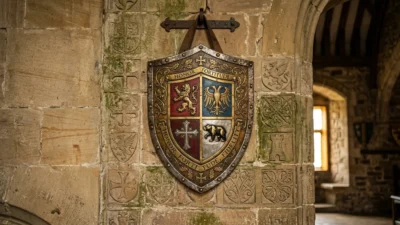

In the earthly realm, throne symbolism reveals a throne as a lasting sign of authority, governance, and faithful leadership before God.
The throne of David stands as a powerful biblical symbol linked to the covenantal promise of an everlasting dynasty. In 2 Samuel 7:16, God promised David that his house and kingdom would endure forever and be established forever. Christians believe this reached its fulfillment through Jesus Christ, the descendant of David, whose reign is eternal. From my study of biblical symbols, this message offers lasting hope instead of temporary power and reminds us that true authority has a greater purpose.
The throne is also a place of judgment and decision-making. In 1 Kings 3:9, Solomon asked God to govern as a faithful servant with an understanding heart so he could judge the people, discern between good and evil, and wisely lead the great people. This example shows that true leadership depends on wisdom and justice, carefully exercised for the benefit of others rather than personal gain.
Throne Symbolism Meaning (Clear Definition)
Throne symbolism refers to the symbolic meaning connected with a throne as a seat of authority, leadership, and honor. Although a throne is a physical chair reserved for rulers or spiritual figures, it also represents responsibility, wisdom, justice, and rightful power.
Rather than symbolizing privilege alone, a throne reminds us that true leadership requires service, fairness, and accountability.
Quick Definition
| Symbol | Common Meaning |
|---|---|
| Throne | Authority and leadership |
| Throne | Justice and responsibility |
| Throne | Wisdom and honor |
| Throne | Divine power |
| Throne | Royal dignity |
| Throne | Stability and governance |
What Does Throne Symbolism Represent?
Throne symbolism carries several powerful meanings across different traditions.
Common symbolic meanings include:
- Leadership
- Authority
- Justice
- Responsibility
- Wisdom
- Honor
- Stability
- Royal power
- Protection
- Governance
A throne represents more than the person sitting on it. It symbolizes the duties, decisions, and moral responsibility that accompany positions of influence.
Spiritual Meaning of Throne Symbolism
Spiritually, throne symbolism represents divine authority and higher wisdom. Many traditions view the throne as a sacred place where heavenly power and justice originate.
A throne often symbolizes:
- Spiritual authority
- Divine presence
- Inner strength
- Higher purpose
- Enlightenment
- Sacred responsibility
Spiritually, sitting upon a throne represents mastery over fear, wisdom in decision-making, and dedication to serving others with compassion.
Biblical / Religious Meaning of Throne Symbolism
The Bible frequently describes God’s throne as the ultimate symbol of sovereignty, justice, holiness, and eternal authority.
Biblical throne symbolism often represents:
- God’s kingdom
- Divine judgment
- Mercy
- Righteousness
- Eternal rule
- Heavenly glory
The Book of Revelation describes God’s throne as the center of heavenly worship, emphasizing His supreme authority over creation.
In many religions, thrones also symbolize sacred leadership, divine wisdom, and spiritual governance.
Throne Symbolism in History and Culture
Throughout history, thrones have symbolized political power, royal authority, and national identity.
Ancient Civilizations
Ancient Egypt, Mesopotamia, China, India, Greece, and Rome created elaborate thrones for rulers and religious leaders to demonstrate legitimacy and divine favor.
Medieval Kingdoms
European monarchs used richly decorated thrones during coronations and state ceremonies to represent lawful authority and responsibility toward their people.
Asian Traditions
Many Eastern cultures viewed the throne as a sacred symbol of harmony, balance, wisdom, and righteous leadership.
Modern Institutions
Today, ceremonial thrones continue to appear in royal events, religious ceremonies, and traditional cultural celebrations around the world.
Throne Symbolism in Literature and Art
In literature, the throne often represents ambition, leadership, sacrifice, and the burden of responsibility.
Writers use throne symbolism to explore themes such as:
- Power
- Justice
- Conflict
- Destiny
- Honor
- Moral choices
Artists frequently portray thrones with kings, queens, saints, and divine figures to express authority, wisdom, and sacred responsibility.
Dream Meaning of Throne Symbolism
Dreaming about a throne often reflects personal ambition, confidence, leadership, or spiritual growth.
Common dream meanings include:
| Dream Scenario | Possible Meaning |
|---|---|
| Sitting on a throne | Confidence and leadership |
| Seeing an empty throne | Opportunity or responsibility |
| Falling from a throne | Fear of losing status |
| Golden throne | Wisdom and spiritual success |
| Broken throne | Challenges to authority |
| Receiving a throne | Recognition and new responsibilities |
Dream details and emotions provide the most accurate interpretation.
Modern Meaning of Throne Symbolism
Today, throne symbolism extends beyond royalty into everyday life.
Modern meanings include:
- Personal leadership
- Confidence
- Self-respect
- Achievement
- Responsibility
- Empowerment
- Influence
The throne appears in business, entertainment, fashion, gaming, and popular culture as a symbol of success earned through wisdom, integrity, and perseverance.
Frequently Asked Questions
What does throne symbolism mean?
Throne symbolism represents authority, leadership, wisdom, responsibility, justice, and the ability to guide others with integrity.
Is a throne only a royal symbol?
No. While traditionally connected with royalty, a throne also symbolizes spiritual authority, personal leadership, and moral responsibility.
What is the spiritual meaning of a throne?
Spiritually, a throne represents divine authority, wisdom, sacred responsibility, and a higher calling to lead with compassion.
What does dreaming about a throne mean?
Dreaming about a throne often symbolizes recognition, leadership opportunities, spiritual growth, or increased responsibility.
Why is the throne important in different cultures?
The throne symbolizes legitimate authority, justice, honor, governance, and sacred leadership across many civilizations and religious traditions.
Conclusion
Throne symbolism reminds us that genuine authority comes with wisdom, humility, and responsibility. Whether viewed through history, spirituality, dreams, or modern culture, the throne continues to inspire leadership that serves others with fairness, courage, and integrity.

Miles Arthur is a passionate content writer at Symblosim.com, specializing in symbol meanings, cultural symbolism, spiritual interpretations, and historical signs. He creates informative articles that help readers understand the deeper significance of symbols.