Camel symbolism represents endurance, patience, resilience, wisdom, and the ability to overcome life’s greatest challenges.
Known as the “ship of the desert,” the camel has long been admired for surviving harsh environments while carrying heavy burdens with quiet determination.
Across spiritual traditions, cultural beliefs, dreams, and modern interpretations, the camel symbolizes perseverance, self-reliance, and the strength to continue moving forward even when the journey feels difficult.
Camel Symbolism Meaning (Clear Definition)
Camel symbolism refers to the deeper meanings associated with the camel’s remarkable ability to thrive in some of the world’s toughest environments. It reflects qualities such as endurance, adaptability, patience, and inner strength.
At its core, camel symbolism reminds us that success often comes from persistence rather than speed. The camel teaches that preparing wisely, conserving energy, and remaining steady during difficult times lead to lasting achievement.
| Symbol | Meaning |
|---|---|
| Endurance | Strength to overcome hardships |
| Patience | Waiting calmly for the right time |
| Resilience | Recovering from challenges |
| Adaptability | Adjusting to changing circumstances |
| Wisdom | Making thoughtful decisions |
| Self-Reliance | Depending on inner strength |
| Journey | Progress through life’s experiences |
What Does Camel Symbolism Represent?
The camel represents much more than survival in the desert. It symbolizes emotional strength, careful preparation, and the determination to keep moving despite obstacles.
Common symbolic meanings include:
- Endurance
- Patience
- Resilience
- Stability
- Perseverance
- Adaptability
- Wisdom
- Self-discipline
- Inner strength
- Long-term success
The camel also reminds us that every meaningful journey requires persistence. Rather than giving up during difficult seasons, it encourages us to trust the process and continue forward with confidence.
Spiritual Meaning of Camel Symbolism
Spiritually, the camel symbolizes faith, endurance, and the ability to carry life’s responsibilities without losing hope. It teaches that true strength comes from remaining calm and focused during challenging times.
Many spiritual traditions associate the camel with:
- Spiritual endurance
- Inner peace
- Patience
- Humility
- Trust in life’s journey
- Emotional resilience
- Personal transformation
It reminds us that steady progress often brings greater rewards than rushing toward immediate results.
The camel also inspires gratitude by teaching us to appreciate the resources, opportunities, and support already available in our lives.
Biblical / Religious Meaning of Camel Symbolism
The camel appears several times throughout the Bible and holds important symbolic meaning. It was a valuable animal used for travel, trade, and transporting goods across long desert journeys.
Biblically, the camel often represents wealth, endurance, service, and God’s provision during difficult circumstances. Stories involving Abraham, Isaac, Jacob, and the wise travelers frequently include camels as symbols of faithful journeys and divine blessings.
One of the best-known biblical references is Jesus’ teaching that it is easier for a camel to pass through the eye of a needle than for a rich person to enter the kingdom of God. This passage emphasizes humility, faith, and placing spiritual values above material wealth.
In Islamic tradition, the camel is highly respected as a sign of God’s wisdom and creation. It symbolizes gratitude, patience, endurance, and survival through trust in divine provision.
Camel Symbolism in History and Culture
For thousands of years, camels have played a vital role in civilizations across Africa, the Middle East, and Asia. Their ability to travel great distances through deserts made them symbols of survival, prosperity, and reliable companionship.
In Arabian culture, the camel represents hospitality, honor, wealth, and resilience. Owning camels historically reflected status and economic stability.
Across North Africa, camels symbolize endurance, freedom, and successful journeys through difficult landscapes.
In many Asian cultures, the camel represents persistence, trade, wisdom, and the ability to overcome hardship through determination.
Today, the camel continues to symbolize patience, adventure, sustainable travel, and resilience in the face of adversity.
Camel Symbolism in Literature and Art
Writers have long used the camel as a symbol of perseverance, long journeys, and personal transformation. Its steady pace often represents gradual progress toward meaningful goals.
In literature, camels frequently appear in stories about exploration, survival, faith, and self-discovery. They remind readers that difficult journeys often produce the greatest personal growth.
Artists portray camels against vast desert landscapes to symbolize endurance, hope, freedom, and the beauty of resilience. Paintings, sculptures, and photography often emphasize the camel’s quiet strength and unwavering determination.
Modern creative works continue to use the camel as a symbol of patience, courage, and the ability to overcome life’s challenges.
Dream Meaning of Camel Symbolism
Dreaming about a camel often reflects endurance, responsibility, and long-term personal growth.
Seeing a calm camel may symbolize patience, emotional stability, and confidence in your life’s direction. Riding a camel often represents successfully navigating difficult circumstances with wisdom and determination.
A camel carrying heavy loads may suggest responsibilities that require patience and careful management. Seeing a thirsty camel could indicate emotional exhaustion or the need for rest and renewal.
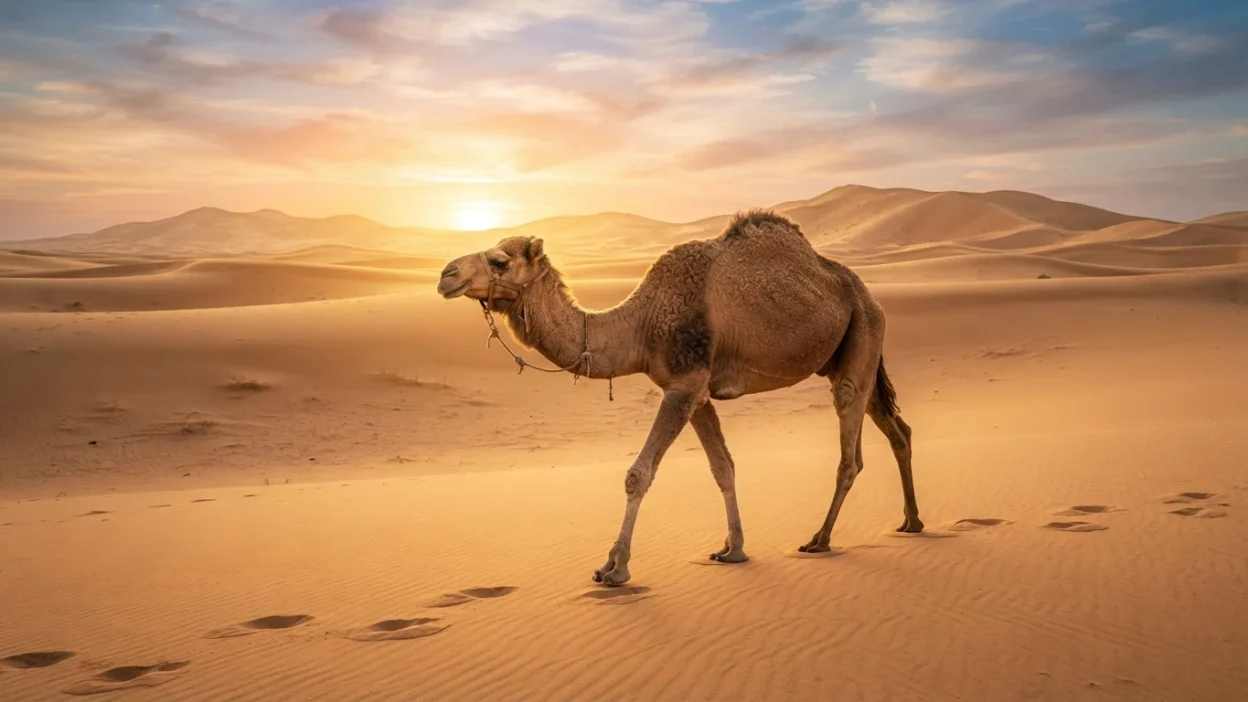
If a camel is walking steadily through the desert, the dream often encourages persistence and reminds you that success comes through consistent effort rather than quick results.
Modern Meaning of Camel Symbolism
Today, camel symbolism continues to inspire people facing personal, professional, and emotional challenges. It represents staying strong even when the path ahead seems uncertain.
Modern meanings include:
- Resilience
- Emotional strength
- Long-term planning
- Self-discipline
- Adaptability
- Responsibility
- Patience
- Personal growth
Many people choose camel artwork, jewelry, or decorative pieces as reminders to remain determined, prepared, and optimistic during life’s difficult seasons.
Common Symbolic Meanings of Camel Symbolism
- Endurance
- Patience
- Resilience
- Wisdom
- Adaptability
- Faith
- Self-reliance
- Perseverance
- Responsibility
- Hope during difficult journeys
Frequently Asked Questions
What does camel symbolism mean?
Camel symbolism represents endurance, patience, resilience, wisdom, adaptability, and the strength to overcome life’s challenges with steady determination.
Is the camel a spiritual symbol?
Yes. Many spiritual traditions view the camel as a symbol of faith, perseverance, humility, and trusting the journey through difficult times.
What does dreaming about a camel mean?
Dreaming of a camel often symbolizes endurance, responsibility, emotional resilience, and the importance of remaining patient while pursuing long-term goals.
Why is the camel associated with patience?
Camels travel long distances steadily without rushing. Their calm nature and remarkable endurance have made them enduring symbols of patience and perseverance.
Conclusion
Camel symbolism reminds us that life’s greatest achievements often come through patience, endurance, and quiet determination. Across spirituality, history, dreams, and modern culture, the camel represents resilience, wisdom, adaptability, and unwavering faith in the journey ahead. Its example encourages us to face every challenge with strength, prepare wisely, and continue moving forward no matter how difficult the path may seem.