Luck symbolism represents the signs, objects, colors, numbers, animals, and traditions people have associated with good fortune, protection, opportunity, and positive outcomes. Across cultures, lucky symbols often reflect a shared human desire for hope and a better future.
From four-leaf clovers and horseshoes to lucky numbers and charms, these symbols can carry meanings that go far beyond superstition. They may represent good fortune, prosperity, protection, destiny, opportunity, and hope.
A lucky symbol gives that uncertainty a visible form, allowing people to express hope or confidence about what may happen next.
In simple terms, luck symbolism can represent:
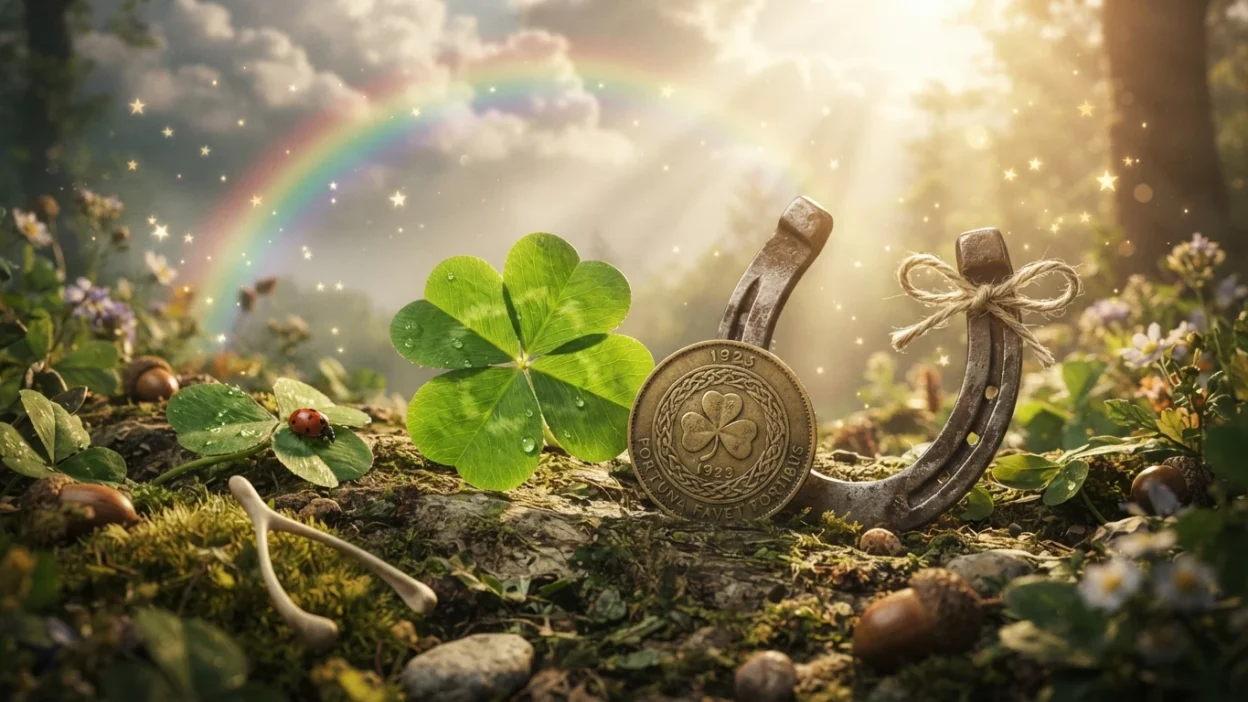
| Lucky SymbolCommon Symbolic Meaning | |
|---|---|
| Four-leaf clover | Good fortune and rare opportunity |
| Horseshoe | Protection and prosperity |
| Rabbit’s foot | Luck and protection |
| Lucky coin | Wealth and opportunity |
| Ladybug | Good fortune and positive change |
| Lucky number | Destiny and favorable outcomes |
| Wishbone | Hope and fulfilled wishes |
| Elephant | Protection, wisdom, and prosperity |
| Red color | Energy, fortune, and success |
| Rainbow | Hope, renewal, and blessings |
What Does Luck Symbolism Represent?
Luck symbols can represent different ideas depending on the culture and personal beliefs behind them.
1. Good Fortune
The most common meaning of luck symbolism is favorable fortune. A lucky charm may represent the hope that circumstances will turn out positively.
2. Opportunity
Luck can symbolize an unexpected opportunity.
3. Protection
4. Prosperity
5. Destiny
Luck can symbolize the mysterious role of fate in human life.
6. Hope
A lucky symbol can provide emotional encouragement during uncertain times. It may remind someone that circumstances can change unexpectedly.
7. Positive Change
They can symbolize fresh opportunities, personal growth, or a turning point.
Spiritual Meaning of Luck Symbolism
Spiritually, luck symbolism can represent divine timing, blessings, synchronicity, protection, intuition, and unexpected opportunities.
Some people interpret fortunate events as reminders that life has a meaningful pattern, even when the reason is not immediately obvious.
A lucky symbol may also encourage awareness. Seeing a repeated number, finding a meaningful object, or encountering an unexpected animal can prompt someone to pause and reflect on what is happening in their life.
From a spiritual perspective, luck does not always mean receiving exactly what you want. Sometimes a fortunate event may open a door to something better than originally expected.
Luck symbolism can therefore represent trust in the journey rather than certainty about the destination.
Biblical / Religious Meaning of Luck Symbolism
The idea of luck varies among religious traditions.
Biblical teachings frequently encourage trust in God rather than placing ultimate confidence in omens or objects.
Other religious and cultural traditions have developed their own practices surrounding fortune, auspicious signs, blessings, and protection.
Luck Symbolism in History and Culture
Beliefs about luck are among the oldest forms of human symbolism.
Ancient societies often used amulets, charms, animals, plants, numbers, and celestial events as signs of protection or favorable fortune. People faced uncertainty surrounding weather, health, travel, harvests, warfare, and survival, making symbols of good fortune especially meaningful.
Over time, particular symbols became strongly connected with luck.
The four-leaf clover, for example, became famous because it is much rarer than the common three-leaf clover. Its rarity helped transform it into a symbol of exceptional fortune.
Its shape and historical association with horses contributed to its symbolic importance.
Different cultures developed different ideas about fortunate numbers, colors, animals, and objects.
Luck Symbolism in Literature and Art
Literature frequently uses luck to explore fate, chance, destiny, ambition, and human uncertainty.
A lucky object can become an important plot device. A character may discover a charm, receive a fortunate opportunity, or experience an unexpected reversal of circumstances.
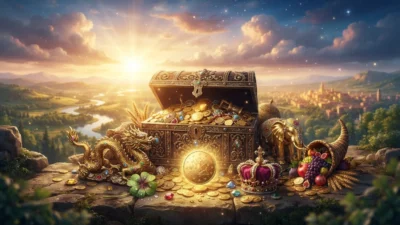
Artists can communicate luck through visual symbols such as coins, stars, rainbows, clovers, golden light, birds, or rising suns.
Luck may also appear ironically in stories. A character who believes strongly in luck may discover that preparation, courage, or personal choices matter more than chance.
Dream Meaning of Luck Symbolism
Dreaming about luck can symbolize hope, confidence, opportunity, optimism, or a desire for positive change.
The meaning depends heavily on what happens in the dream and how you feel during it.
Finding a Lucky Object
Winning in a Dream
Winning money, a competition, or a prize may symbolize confidence, achievement, recognition, or the desire for success.
Seeing a Four-Leaf Clover
A four-leaf clover in a dream may represent hope, rare opportunities, good news, or the belief that circumstances are about to improve.
Losing a Lucky Charm
Losing a lucky object can reflect fear of losing security, confidence, control, or an important opportunity.
Receiving a Lucky Gift
Dream symbolism is personal, so your emotions and current circumstances are often more important than any universal interpretation.
Modern Meaning of Luck Symbolism
Today, luck symbolism appears in sports, business, entertainment, fashion, celebrations, gaming, and everyday life.
Athletes may wear a particular item before competitions. Students may carry a favorite object into an exam. Travelers may keep a charm with them for protection. People beginning a new job may receive a lucky gift from friends or family.
Modern lucky symbols often work psychologically as well as culturally. A familiar object can create confidence and a sense of comfort during uncertain situations.
A lucky charm may not control the outcome of an event, but believing in it can help someone approach a challenge with greater optimism.
In this way, modern luck symbolism often represents confidence, positive thinking, emotional comfort, and hope as much as supernatural fortune.
Common Symbols of Good Luck
Some of the most recognizable symbols associated with good fortune include:
- Four-leaf clover: Rare opportunity and good fortune
- Horseshoe: Protection and prosperity
- Lucky coin: Financial opportunity and abundance
- Ladybug: Positive change and favorable circumstances
- Rabbit’s foot: Traditional protection and luck
- Wishbone: Hope and fulfilled wishes
- Elephant: Wisdom, protection, and prosperity
- Rainbow: Hope and renewal
- Star: Guidance, aspiration, and fortunate possibilities
- Lucky numbers: Fate, opportunity, and personal significance
Luck Symbolism and the Power of Belief
Luck becomes especially interesting when belief enters the picture.
People often remember fortunate coincidences more strongly when they already associate certain objects or numbers with luck. A lucky charm can then become connected with positive memories and confidence.
This does not prove that the object itself causes good fortune. Instead, its symbolic value can influence how a person interprets experiences.
A lucky symbol may encourage someone to stay hopeful, notice opportunities, and approach challenges with greater confidence.
In that sense, the real power of luck symbolism may come from the meaning people give to it.
Is Luck Symbolism Always Positive?
Not necessarily.
Luck can symbolize uncertainty, randomness, unpredictability, and the fear that important outcomes depend on circumstances beyond personal control.
A story about bad luck may represent helplessness or sudden change, while a lucky event may represent hope and opportunity.
The meaning depends on context. A symbol associated with good fortune in one culture may have little or even negative meaning in another.
What Is the Most Powerful Symbol of Luck?
A symbol can become especially powerful when it has personal significance.
Frequently Asked Questions About Luck Symbolism
What does luck symbolism mean?
Luck symbolism represents good fortune, opportunity, protection, prosperity, hope, and favorable outcomes. It can appear through objects, numbers, animals, colors, events, and traditions.
What is the spiritual meaning of luck?
Spiritually, luck can symbolize blessings, divine timing, synchronicity, intuition, protection, and unexpected opportunities. Its meaning depends on the person’s beliefs and circumstances.
What is the most common symbol of good luck?
Other common examples include horseshoes, lucky coins, ladybugs, and wishbones.
What does dreaming about luck mean?
Dreaming about luck may symbolize optimism, opportunity, confidence, success, or a desire for positive change. The specific interpretation depends on the dream’s details and emotional tone.
Why do people believe in lucky symbols?
Lucky symbols can provide comfort, confidence, cultural connection, and hope during uncertain situations. They often carry personal or traditional meanings that make them emotionally powerful.
Conclusion
Luck symbolism reflects humanity’s enduring desire for hope, protection, opportunity, and positive change. From ancient charms to modern lucky objects, these symbols give meaning to the unpredictable parts of life.
Whether understood as fortune, coincidence, spiritual guidance, or a source of confidence, luck symbolism reminds us that uncertainty can also contain possibility. Sometimes, believing that something good is possible is the first step toward recognizing the opportunities already around us.