
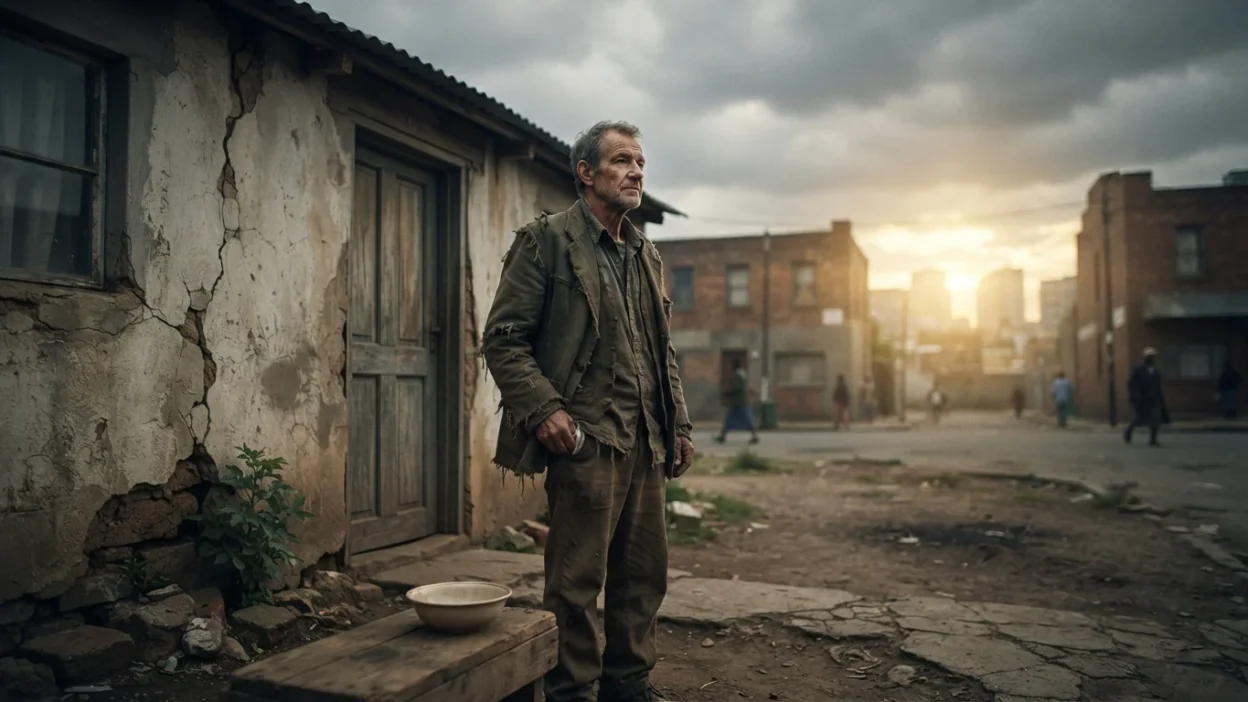
Poverty symbolism explores the deeper meanings associated with having little wealth, limited resources, simplicity, deprivation, and the struggle for survival. Across religion, history, literature, dreams, and modern culture, poverty can symbolize much more than financial hardship.
It may represent humility, sacrifice, injustice, vulnerability, freedom from materialism, resilience, or a desire for change. The meaning often depends on the context and the emotions connected to poverty.
Poverty Symbolism Meaning (Clear Definition)
Poverty symbolism is the use of poverty, scarcity, or material deprivation to represent deeper ideas such as humility, suffering, inequality, simplicity, resilience, and spiritual transformation.
In symbolic language, poverty does not always mean literal financial hardship. It can also describe an emotional or spiritual feeling of lacking something important.
For example, a person may have wealth but symbolically feel “poor” because of loneliness, insecurity, lack of purpose, or emotional emptiness.
At its simplest, poverty symbolism can represent:
| Symbolic Meaning | What It Can Represent |
|---|---|
| Poverty | Lack, struggle, or vulnerability |
| Simplicity | Freedom from excessive materialism |
| Hunger | Unfulfilled physical, emotional, or spiritual needs |
| Begging | Dependence, humility, or desperation |
| Empty pockets | Financial insecurity or lack of control |
| Poor clothing | Social inequality or vulnerability |
| Sharing little | Generosity despite scarcity |
| Rising from poverty | Hope, resilience, and transformation |
What Does Poverty Symbolism Represent?
Poverty can carry both negative and positive symbolic meanings. In one context, it may represent oppression and injustice. In another, it may symbolize humility, simplicity, or spiritual freedom.
1. Struggle and Hardship
Poverty commonly symbolizes difficult circumstances. It can represent the challenges people face when basic needs, opportunities, or security are limited.
2. Humility
In many traditions, living with fewer possessions can symbolize humility. A person who does not measure worth through material wealth may be viewed as modest or spiritually grounded.
3. Inequality and Injustice
Poverty can also expose social inequality. It may symbolize systems in which resources, opportunities, or power are distributed unfairly.
4. Resilience
Someone experiencing poverty may symbolize endurance and determination. The image of a person surviving hardship can become a powerful symbol of human resilience.
5. Simplicity
Poverty symbolism sometimes overlaps with simple living. Having fewer possessions can represent freedom from excessive attachment to material things.
6. Emotional or Spiritual Lack
Symbolically, poverty can describe an inner sense of emptiness. Someone may feel emotionally “poor” when they lack love, confidence, purpose, belonging, or hope.
7. Transformation
A period of deprivation can symbolize the beginning of personal transformation. Moving from scarcity toward abundance may represent growth, wisdom, or renewed hope.
Spiritual Meaning of Poverty Symbolism
Spiritually, poverty symbolism often focuses on the relationship between material possessions and inner fulfillment.
Many spiritual traditions teach that material wealth does not automatically produce peace or wisdom. Poverty can therefore symbolize detachment, humility, compassion, surrender, and spiritual awareness.
The idea of spiritual poverty is particularly important in traditions that encourage people to recognize their dependence on something greater than themselves.
Poverty may symbolize the realization that external possessions cannot satisfy every human need.
It can also encourage compassion. Seeing suffering may remind people to care for others rather than judging their circumstances.
At a deeper level, spiritual poverty can represent an empty space that is ready to be filled with faith, wisdom, love, or purpose.
Biblical / Religious Meaning of Poverty Symbolism
Poverty has a significant symbolic role in religious traditions, especially within Christianity.
In the Christian tradition, poverty can symbolize humility and dependence on God. Jesus’ teachings repeatedly emphasize compassion toward people who are poor or vulnerable.
The concept does not necessarily suggest that poverty itself is desirable or that suffering should be romanticized. Instead, religious symbolism often draws attention to how people respond to wealth, need, generosity, and injustice.
Other religious traditions also associate simplicity and limited attachment to possessions with spiritual discipline. Monastic practices, charitable giving, and voluntary simplicity can all use material restraint as a symbol of devotion.
Poverty Symbolism in History and Culture
Throughout history, poverty has been interpreted in dramatically different ways.
In some societies, poverty was associated with shame, social exclusion, and lack of power. In others, religious figures, monks, philosophers, and spiritual teachers deliberately rejected wealth as a demonstration of humility.
Poverty has also become a symbol of social injustice. During periods of economic crisis, famine, war, or political inequality, images of poverty can represent the failures of institutions and the suffering of ordinary people.
At the same time, cultural stories frequently celebrate people who rise from poverty. Their journeys can symbolize ambition, perseverance, hope, opportunity, and social transformation.
This creates an important distinction: poverty itself may symbolize hardship, while overcoming poverty can symbolize strength and possibility.
Poverty Symbolism in Literature and Art
Literature and art have long used poverty to communicate powerful social and emotional messages.
A poor character may symbolize innocence, oppression, humility, resilience, or society’s failure to protect vulnerable people.
Writers can also use poverty to contrast characters. A wealthy character may possess money but lack compassion, while a poor character may possess little materially but demonstrate generosity or wisdom.
In visual art, worn clothing, empty homes, bare tables, abandoned buildings, and hungry figures can immediately communicate scarcity.
Artists may use these images to provoke empathy or criticize inequality. Poverty can therefore function as both a personal symbol and a broader commentary on society.
Common artistic symbols associated with poverty include:
- Empty bowls
- Torn clothing
- Bare rooms
- Empty wallets
- Abandoned homes
- Begging hands
- Empty streets
- Unused fields
- Scarce food
- Broken possessions
These objects can make the abstract idea of deprivation emotionally visible.
Dream Meaning of Poverty Symbolism
Dreaming about poverty does not necessarily predict financial problems. Dreams often transform everyday concerns into symbolic images.
A poverty-related dream may represent fear of loss, insecurity, low self-worth, emotional deprivation, or uncertainty about the future.
Dreaming That You Are Poor
This may reflect anxiety about security or a fear of losing control. It can also symbolize feeling unprepared for an upcoming change.
Dreaming About Begging
Begging in a dream may represent dependence or a strong desire for help, recognition, affection, or support.
Dreaming About Losing Money
This can symbolize fear of losing something valuable. The “money” may represent confidence, status, time, opportunity, or emotional security rather than literal cash.
Seeing Someone Else in Poverty
This may reflect compassion, guilt, concern about inequality, or recognition of another person’s struggles.
Escaping Poverty in a Dream
Moving from poverty into abundance can symbolize hope, personal growth, confidence, and the belief that circumstances can improve.
The emotional atmosphere of the dream matters greatly. Fear, shame, peace, determination, or relief can change the interpretation.
Modern Meaning of Poverty Symbolism
Today, poverty symbolism extends beyond traditional religious and literary meanings.
Modern discussions often connect poverty with economic inequality, social mobility, access to education, housing, opportunity, and systemic disadvantage.
At the same time, minimalist lifestyles have created another interpretation of material scarcity. Choosing to own fewer possessions can symbolize freedom, intentional living, sustainability, and reduced dependence on consumer culture.
However, voluntary simplicity and involuntary poverty should not be treated as the same experience. Choosing fewer possessions is fundamentally different from lacking food, housing, healthcare, or financial security.
Modern poverty symbolism therefore contains an important tension: it can represent both deprivation and a rejection of excessive materialism.
Common Symbols Associated With Poverty
Certain images repeatedly communicate ideas connected to poverty and scarcity:
Empty pockets often symbolize financial insecurity or a lack of resources.
An empty bowl can represent hunger, deprivation, or unmet needs.
Torn clothing may symbolize vulnerability, hardship, or social inequality.
A small or damaged home can represent insecurity, exclusion, or difficult living conditions.
Begging hands commonly symbolize desperation, dependence, or the need for assistance.
Sharing food despite having little can symbolize generosity, compassion, and human dignity.
A broken coin may represent lost opportunity, financial hardship, or the fragility of wealth.
Poverty Symbolism and Abundance
Yet the contrast is not always simple.
A person with few possessions may possess emotional richness, strong relationships, wisdom, or spiritual contentment. Conversely, someone with great wealth may experience loneliness or dissatisfaction.
This contrast is one reason poverty remains such a powerful symbol. It encourages people to ask what “richness” really means.
Is Poverty a Symbol of Humility?
Poverty can symbolize humility in religious or philosophical contexts, particularly when someone voluntarily chooses a simple lifestyle.
However, involuntary poverty should not automatically be described as spiritually superior or morally meaningful. Real poverty can involve serious hardship and inequality, so its symbolic interpretation should be separated from the lived experience of people facing deprivation.
What Does Overcoming Poverty Symbolize?
Overcoming poverty often symbolizes resilience, hope, determination, opportunity, and transformation.
Stories about rising from hardship can represent the belief that circumstances are capable of changing. They may also highlight the importance of education, community support, perseverance, and access to opportunity.
Frequently Asked Questions About Poverty Symbolism
What is the spiritual meaning of poverty symbolism?
Spiritually, poverty can symbolize humility, detachment from material possessions, dependence on a higher power, compassion, and inner transformation.
What does poverty symbolize in literature?
In literature, poverty can symbolize hardship, inequality, vulnerability, innocence, social injustice, resilience, or the contrast between material wealth and inner richness.
What does dreaming about being poor mean?
Dreaming about being poor may reflect insecurity, fear of loss, low self-confidence, emotional deprivation, or uncertainty. The specific meaning depends on the dream’s emotions and circumstances.
Does poverty symbolize humility?
It can symbolize humility in religious or philosophical contexts, especially when simplicity is chosen voluntarily. Involuntary poverty, however, is a form of real hardship and should not be romanticized.
What does escaping poverty symbolize?
Escaping poverty commonly symbolizes hope, resilience, personal growth, opportunity, and transformation. It can represent the desire to move beyond limitations and create a more secure future.
Conclusion
Poverty symbolism reaches far beyond money. It can represent hardship and inequality, but it can also point toward humility, compassion, resilience, simplicity, and transformation.
Its deepest message often depends on perspective. Poverty may reveal what people fear losing, what they truly value, and how they respond when life provides less than they expected. In that sense, the symbolism of poverty can ultimately invite reflection on the difference between material wealth and genuine human richness.